REPORTS & PUBLICATIONS
Where Ireland Stands: An Update on the Real Face of Men’s Health.
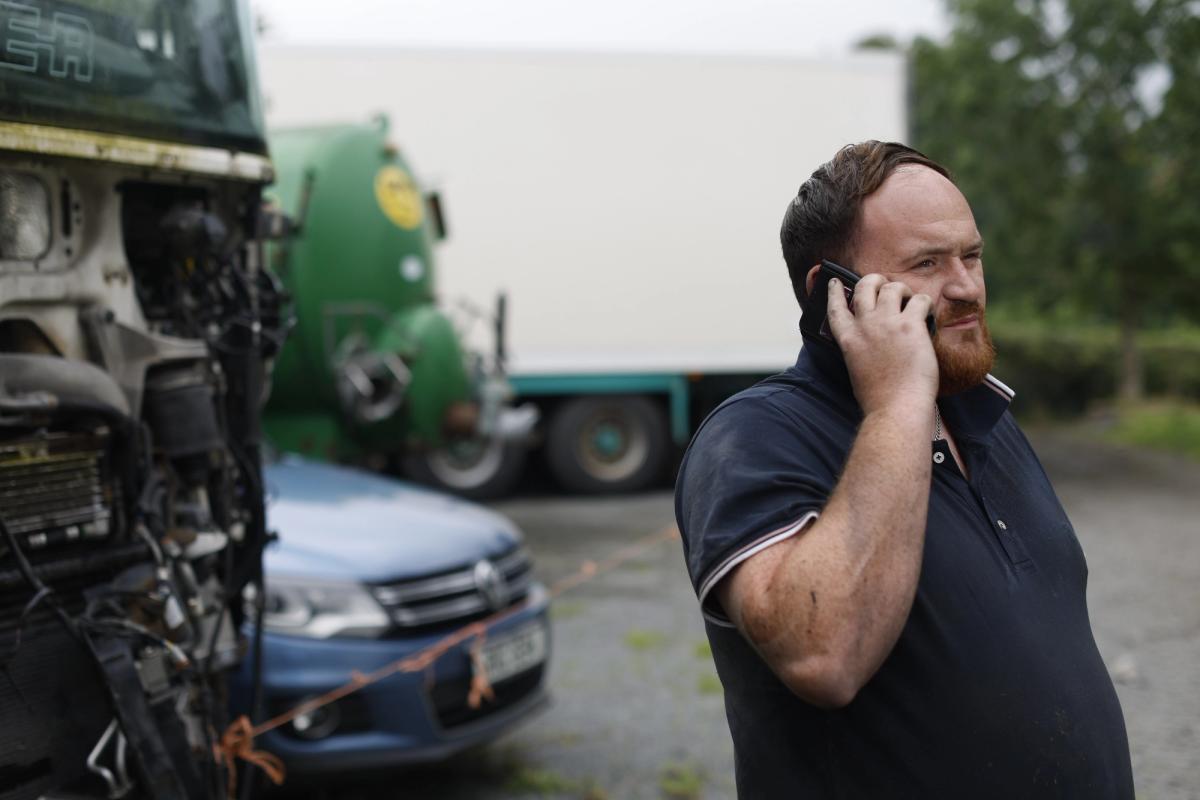
From cities to rural communities, men's health outcomes across Ireland tell an urgent story.
In September 2025 Movember published 'The Real Face of Men's Health in Ireland', a landmark report that gave an overview of the state of men’s health in Ireland.
Real Face set out the scale of poor health outcomes for men in Ireland and made a strong case for sustained funding, and for a deeper political and policy commitment to improving men’s health.
One year on, this update builds on that report, bringing in the latest 2023-2024 figures to show where Ireland now stands on premature death among men, its leading causes, and suicide.
Twelve months later, the picture for men across the country hasn’t shifted much – the case for action is every bit as urgent as it was a year ago.

Men across Ireland are still dying years before their time. Movember's data shows the picture hasn't shifted enough.
Too many men are still dying too young in Ireland
- The overall numbers are slowly falling, but nationally, men in Ireland are around 1.56 times (i.e. 56% ) more likely to die prematurely than women – a gap that has stayed stubbornly consistent across the decade rather than narrowing.
Men are still disproportionately affected by preventable causes of death
- The leading causes of premature male death remain unchanged, with Cancer and circulatory disease dominating the picture.
- Men in Ireland are more than twice as likely to die of cardiovascular disease, and three times as likely to die of accidents than women.
- Suicide is the 5th leading specific cause of premature death among men in Ireland - behind heart disease, lung cancer, accidents and chronic respiratory disease.
Suicide amongst men is still moving in the wrong direction
- Ireland’s high male suicide rate has moved up and down without a clear direction of travel over the past decade.
- After falling from 15.4 in 2016 to a low of 12.8 in 2019, it climbed again through the pandemic years to 14.9 in 2021 and has held at roughly 14-15 per 100,000 ever since. Essentially, it remains unchanged from where it stood ten years ago.
Taken together, these figures describe a health gap that has proven remarkably resistant to change. Men in Ireland continue to die years before their time, continue to experience mortality from causes that are largely preventable or treatable at a disproportionately high rate, and are still taking their own lives at a rate far higher than women.
If Ireland is to close this gap, the data tells us that we must deliver targeted investment where the need is greatest. Whether through policy change or service provision, Movember will keeping pushing to stop preventable deaths and reach these cohorts of men - not simply where the national conversation happens to be focused.
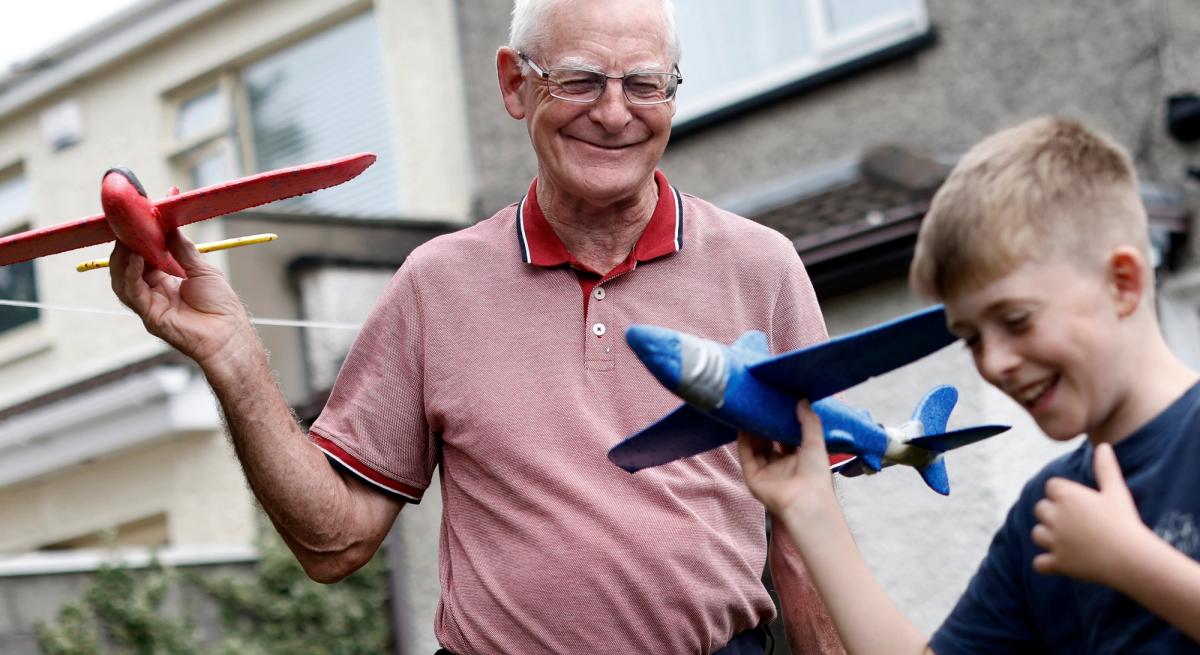
Real, lasting change for men's health in Ireland means targeted investment where it's needed most.
Some of Movember’s Recent work in Ireland
This report also gives an update on some of Movember’s most recent work in Ireland. This includes our recently published report on paternity leave, ‘Extra Time with Dad’, alongside some additional insights on fathers’ health that emerged from the research behind that report.
We also offer an overview of our recently concluded study on health and wellbeing interventions for farmers in Ireland. This was commissioned by Movember to contribute to the HSE’s development of a national Farmer Health and Wellbeing Plan, a core action under the ‘Healthy Ireland – Men’ National Men’s Health Action Plan (Movember is a member of the Plan’s Implementation Group).
Improving men’s health in Ireland – whether at the national level by shifting the dial on premature mortality and suicide, or at the community level through backing what works for men in their communities – takes real political commitment, policy focus, and, crucially, sustained investment. We set out the detailed case for that in our submission to Government on Budget 2027.
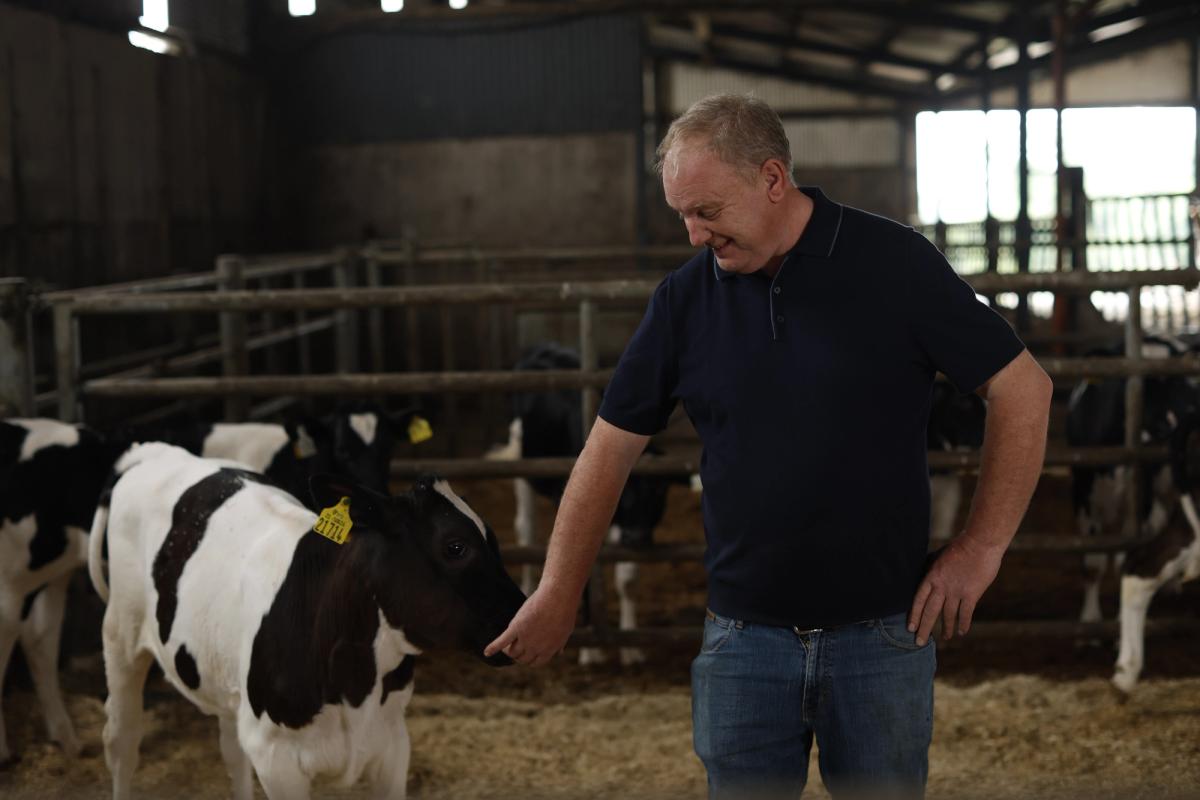
Movember's ongoing work in Ireland spans fathers' health, farmers' wellbeing, and national policy reform.