2026 SCOTLAND REPORT
Time for action. The real face of men’s health in Scotland
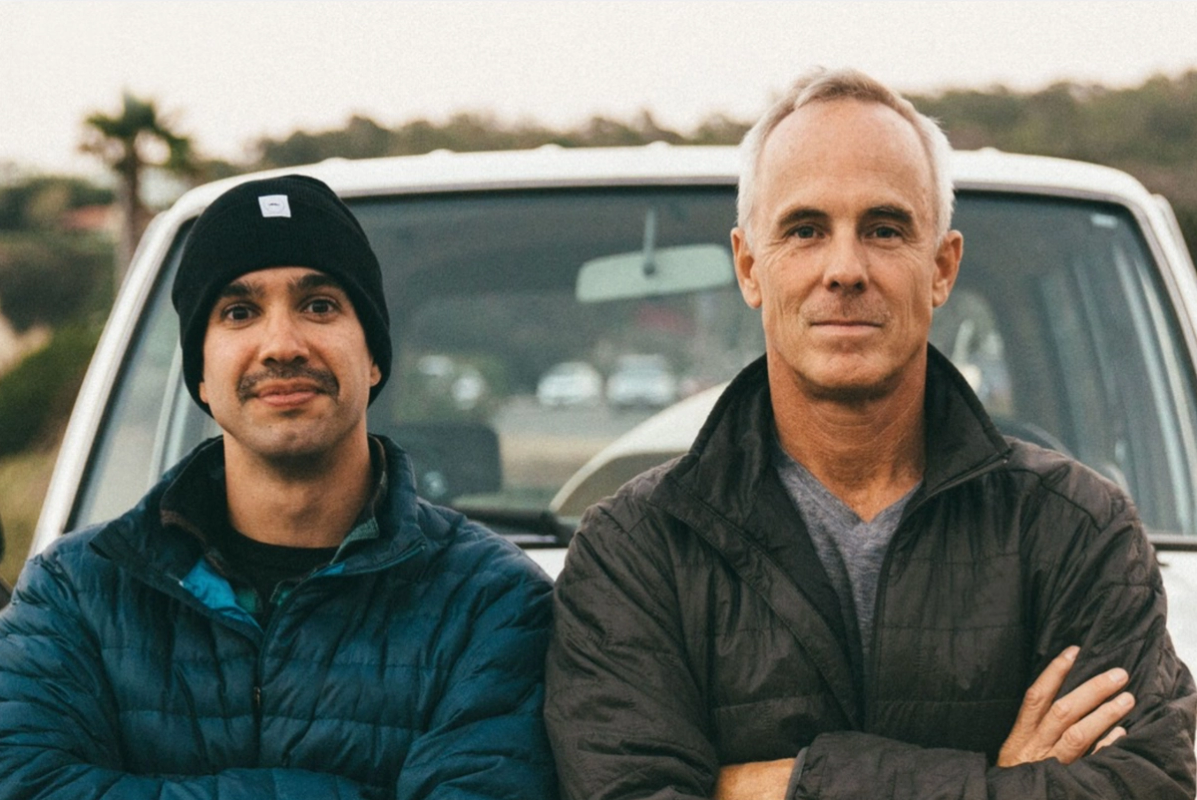
The report revealed that where a man lives in Scotland still shapes how long he lives.
More than 35 Scottish men are dying before their 75th birthday every day. Our new report lays bare the scale of the crisis and calls on the Scottish Government to answer it with a fully costed, cross-government Men’s Health Action Plan.
The Real Face of Men’s Health: Scotland Report 2026 shows that men in Scotland are 50 per cent more likely than women to die prematurely, a gap found in every single Scottish Parliamentary constituency.
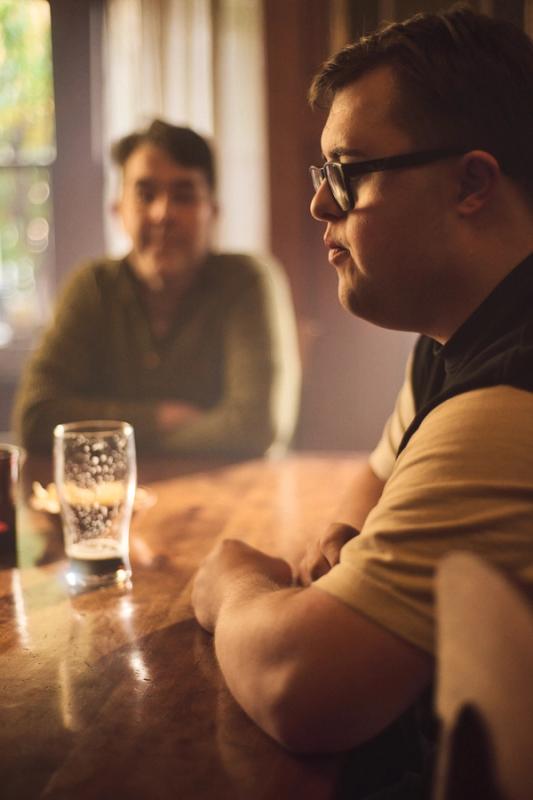
Movember is calling on the Scottish Government to match this crisis with a fully costed Men's Health Action Plan.
35 Scottish men die prematurely every day
- Scotland now has the lowest male life expectancy of any UK nation
- In 2024, 12,982 men died before reaching 75, more than two in every five male deaths
- On average, a Scottish man is likely to spend only 59 years of his life in good health, and live around four years less than a woman
- Men in Scotland are 50 per cent more likely than women to die prematurely, a gap found in every Scottish Parliamentary constituency
A range of causes
The research commissioned by Movember has isolated five major causes of these tragic early losses of life: coronary heart disease, chronic obstructive pulmonary disease, drug use disorder, lung cancer and stroke.
Cancer remains the single largest cause of premature death among Scottish men, killing 3,783 men under 75 in 2024. In addition:
- A further 3,406 died from cardiovascular disease, including 2,023 deaths from ischaemic heart disease
- 694 men under 75 died from drug misuse, and 708 from alcohol-specific causes
- 488 men died prematurely by suicide. Across all age groups, 518 men died by probable suicide, with the male suicide rate nearly three times the rate among women
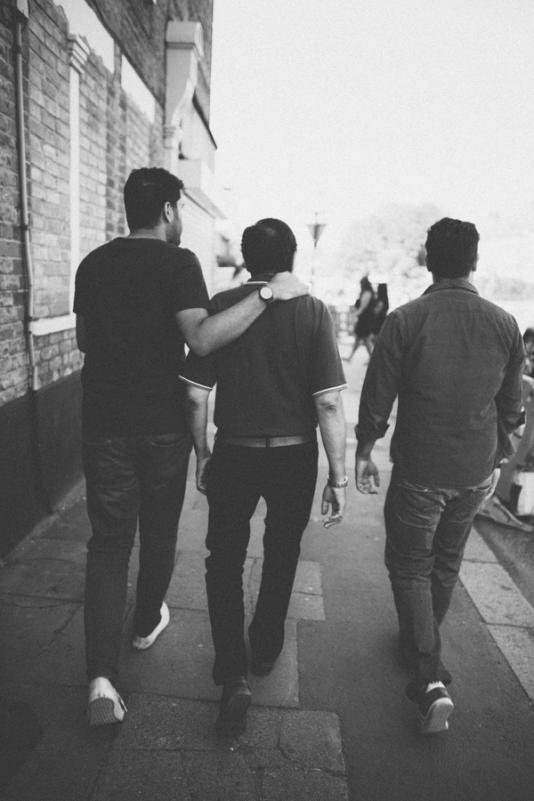
Men in Scotland are 50 per cent more likely than women to die prematurely — a gap found in every constituency.
Where you live impacts how long you live
The report identifies stark differences in men’s health between communities just a few miles apart.
- In 2024, the premature mortality rate for men in Holyrood’s Glasgow Central constituency (979 per 100k) was almost four times that recorded in Eastwood (256 per 100k)
- Across Scotland, men living in the most deprived fifth of communities were 3.6 times more likely to die prematurely than those in the least deprived fifth
The economic impact
In addition to the impact on families, friends and communities, poor health outcomes in men’s health are costing Scotland around £1.73 billion every year.
Around £1.57 billion of that cost, approximately 90 per cent, is linked to preventable diseases. The total includes direct costs to health and public services, alongside the wider consequences of lost work, lost earnings, social care and the additional workload placed on families and communities.
A call for action
The report was launched at Tynecastle Park, Edinburgh, supported by former Celtic striker John Hartson and Movember ambassador and broadcaster Gordon Smart.
Behind the analysis are the personal experiences of men like Graham, 42, from Kilwinning, who found support through The Changing Room, a programme Movember funded through a social innovation grant, and has spoken openly about his mental health after years of struggling in silence.
“The support that changed things for me did not start in a doctor’s surgery. It started through football. For the first time, I started opening up about how I actually felt. If I had never found these programmes, I genuinely do not know where I would be. 'You’re fine, just get on with it’ cannot continue to be our answer to men’s health. We know more can be done. Now we need to do it.”

Preventable illness among men is costing Scotland an estimated £1.73 billion every year.
“Men in Scotland are dying too young, too often and from causes that could be prevented. Behind these numbers are fathers, sons, brothers, partners and friends whose lives are being cut short. The Scottish Government must match the scale of this crisis with the leadership and investment it demands. That means a fully costed Men’s Health Action Plan, clear accountability and services designed around how men actually live, communicate and seek support. Scottish men cannot wait for another consultation or another generation of avoidable inequality. The time for recognising the problem has passed – we need action.”
“Improving men’s health is not a zero-sum game. Healthier men means stronger families, healthier communities, less pressure on public services and a more productive economy. Scotland has the knowledge, expertise and community infrastructure needed to turn this around. What is missing is not understanding. It is pace, leadership and accountability.”
“Men’s health in Scotland is an issue that has been ignored by decision makers for too long. Brilliant work is already happening across Scotland — in football clubs, workplaces and communities. But too many men are still only getting the support they need when they are seriously ill or at crisis point. The importance of health interventions where men are actually convening cannot be understated – and the Scottish Government must commit to properly funding these models, as part of a wider Action Plan on men’s health in Scotland.”
Read the report
The full picture, the data, the constituency breakdown and the policy recommendations are in The Real Face of Men’s Health: Scotland Report 2026.