POLICY & ADVOCACY
Still dying too young. Still too many. Men's Health in England 2026

Movember's 2026 progress report looks at how far men's health in England has come — and how far there is to go.
In 2024, our landmark Real Face of Men’s Health report led to the UK Government launching England’s first ever Men’s Health Strategy in November 2025. One year on from that strategy, our new progress report asks the important question: has anything actually changed?
Despite significant moves forward in the past two years, the 2026 Real Face of Men’s Health England Progress Report reveals that the case for action to support male health is more urgent than ever.
Over 1 in 3 men are dying prematurely
- Over 1 in 3 men (36%) in England are dying prematurely, before the age of 75, at a rate still comparable to a decade ago
- Men are 1.6 times more likely to die prematurely than women
- The leading reasons have remained the same, with heart disease accounting for more than half of all premature deaths
- Across a ten-year period, the rate of male suicide has increased by a cumulative change of almost 11%, going up 1.2% a year
- With almost 3 in 4 deaths by suicide male, more than 11 men are dying from suicide every day, that’s a death every two hours
New More in Common polling shows 47% of Britons believe the overall wellbeing of men has declined over the past decade, and only 1 in 4 feel men and boys are looking after their mental health well, showing the opportunity for greater action.

Movember continues to push for lasting change in men's health across the country.
Where a man lives still shapes how long he lives
Our 2024 report made clear that where men live, and the deprivation in their local area, determines whether they die before the age of 75. The latest assessment shows that pattern persists.
- All 10 of the highest areas for premature deaths are in the Midlands and the North, whilst 8 of the top 10 lowest are in the South
- On average, the top 10 highest premature mortality areas have rates around 1.6 times above the national level
- Men living in Blackpool South are more than 3 times more likely to die prematurely than men living in Northeast Hampshire, at around 1.7 times the national rate
- Manchester Central, the home of No10 North, has the fourth worst rates of premature male mortality in the country
- The suicide rate for regions in the north of the country is 20–40% higher than the national average
These disparities underline the need for enhanced leadership at a regional level, to advocate for the investment required in health and community services to support men and boys. David Skaith, Mayor of York, has made male mental health a core pillar of his administration, with a men’s mental health taskforce and a £7 million ‘Moving Forward’ campaign to foster healthier, more resilient communities.
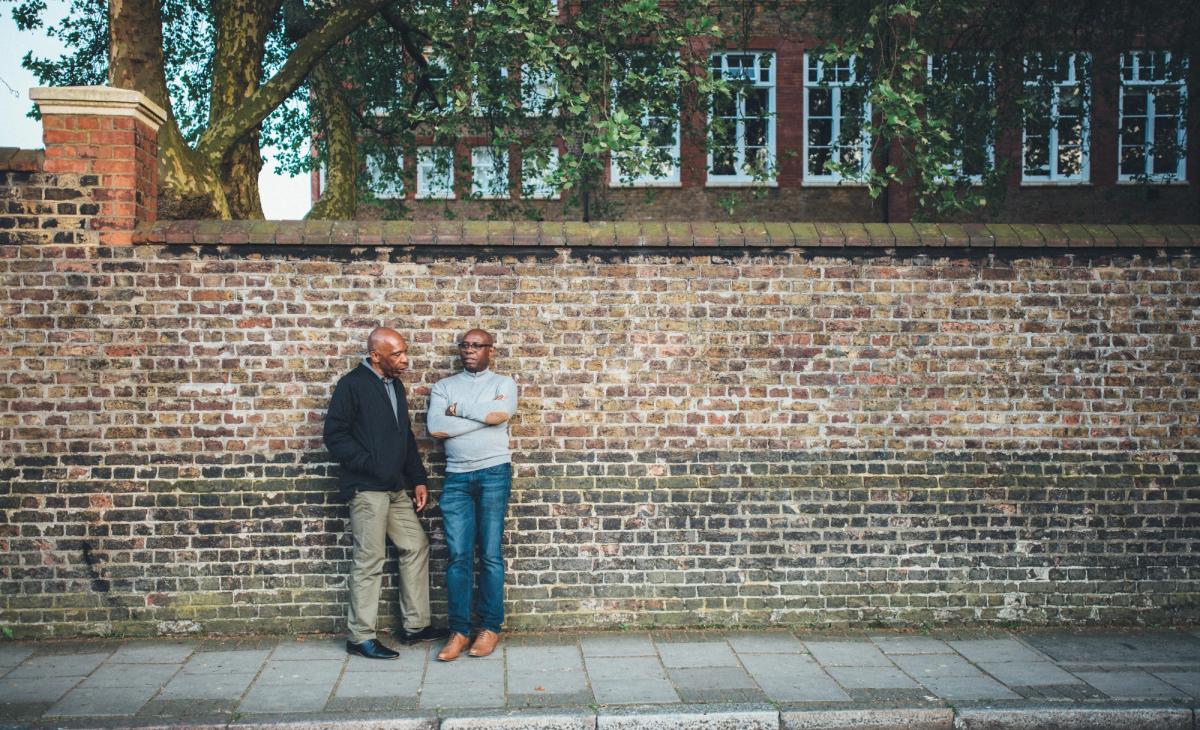
From city streets to rural communities, men's health outcomes still vary widely across England.
The influence of online
The report looks beyond public health data and into the causes of poor health, outlining how the digital world continues to have a harmful impact on the health, relationships and sense of identity of boys and young men. Qualitative research from More in Common found people believe social media and online influencers have a greater role in shaping perceptions of masculinity (74%) than their teachers (62%), a figure less than 10% below their own mothers (83%).
The hard yards towards progress are being made
The report also details the positive, tangible developments of the past two years:
- England’s first Men’s Health Strategy, recognising that improving men’s health isn’t just about telling men to seek help, it’s about building services that understand and respond to their needs, with a sharper focus on prevention and earlier support
- The Men’s Health Community Fund, a £6.3 million partnership between the Department of Health and Social Care, People’s Health Trust and Movember, supporting organisations working directly with men and boys to strengthen and scale their work, reach more people and maximise their impact
- The National Youth Strategy, committing to give half a million more young people access to a trusted adult outside the home by 2035, alongside £15 million over three years to strengthen the youth workforce
New data from Hub of Hope, the UK’s largest mental health support directory, has found that men are now beginning to better engage with mental health services that are in turn becoming more attuned to their needs. In areas with the highest levels of activity, people are now more likely to search for men’s support, whilst of their 13,000 listed services, male and female now make up the same percentage (24%).
"Though some may be tired of ‘experts’ I am pleased to see the government is not among them. Genuine expertise is at the heart of the initiative from DHSC, Movember and People’s Health Trust. This kind of alliance between government, community and experts is essential if we are to meet the challenges facing so many men with regard to their mental health."
Time to build on the foundations
With the government having a stated ambition to improve the lives of everyone across the country and increase investment in local regions and infrastructure, the report calls on it to build on recent progress and accelerate direct action on men’s health and the wider experiences of men and boys. That means national and local action:
- Reforming paternity leave, so fathers can be present with their newborn child from the start
- Appointing the promised UK Government Men’s Health Ambassador
- Deliver the planned National Men and Boys Summit
- Requiring every local authority to adopt a Men’s Health Charter, alongside a stated commitment to improve the health and wellbeing of men and boys in its area
- Scale Movember Ahead of the Game (MAOTG) and Offload nationally , reaching more boys and young men earlier in the sporting and community settings they already know and trust.
- Build the evidence needed to tackle online harms affecting boys and men
"For us at Fawcett Society equal healthcare is fundamental to gender equality. Rigid gender norms are impacting the health of men and women and without looking at how we can improve and support the lives of both, we won’t see healthier communities. Investment in both the men and women’s strategies is essential to improve health equity. As Movember’s ‘Real Face’ reports have set out so clearly, men’s health doesn’t need to be an issue that divides our society. When we invest in men’s health, and solutions that work for them such as intervention through sport, the impact is clear. It can be life-saving for men themselves, but it also has the potential to transform the lives of everyone around them."
"As we found in our ‘More in Common’ research in 2025, over half of Britons are now ready for a conversation on what it means to be a man. This, and key developments such as England’s first men’s health strategy, show that real progress is being made in the national conversation about men and boys. However, this progress report underlines how the scale of the challenge facing men’s health in England remains, with outcomes still deeply unequal between communities. We are committed to working with the government and our partners on the men and boy’s agenda, including increasing the support to local areas to improve men’s health services in the areas that need them most."

Real change for men's health means action in every community, not just the ones already ahead.