Seán's story: Not talking is killing us, it almost killed me
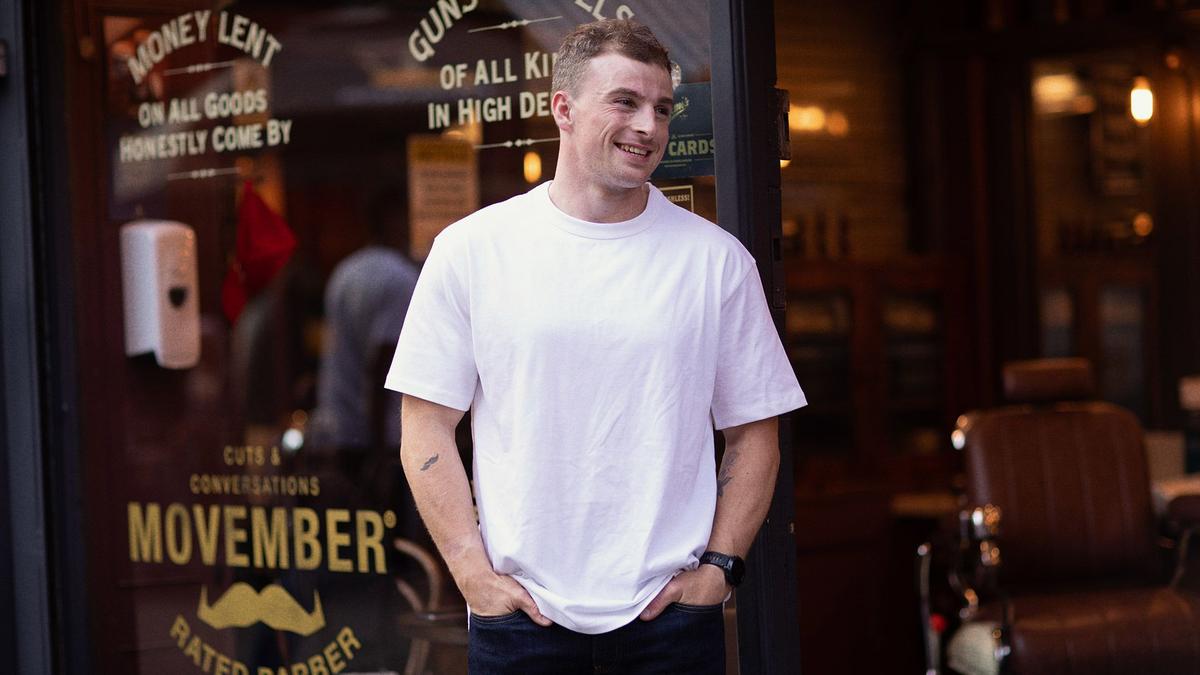
Mo Bro Seán
Mo Bro Seán takes a seat in the barber chair to share his story.
The ability for someone to have an open and frank conversation about their own mental health or general mental wellness with friends, family and even strangers is the biggest success that can come from something like Movember.
In April of 2018, I found myself in St. Patrick’s University Hospital in Dublin because I felt unable to have these conversations with anyone.
I had suffered in silence for a long time, not really knowing what I was up against and not understanding how bad it could get.
Having reached breaking point once again in March of that year and being admitted to hospital, I was in a situation where I was forced into talking about my mental health with family and friends.
I had been terrified of what would happen if I told anyone what was going on inside my head over the previous number of years, I was embarrassed that people would look at me differently and think less of me.
I had that stigma that is so often attached to mental health difficulties in my own mind. I was meant to be someone that suffered in this way; I thought that people would scoff at the idea that I had anything to be depressed about.
I soon came to realise mental illness doesn’t discriminate and it can affect any individual.
I had heard the classic one-liners before. Pull your socks up lad, you’ve nothing to be sad about. Then there’s the inbuilt masculine issue of men deal with their problems themselves, you don’t need any help, you just get on with it.
Society tells us that men don’t cry; that we don’t admit weakness; that showing our vulnerability is unattractive and that we should be ashamed of ourselves for reaching out for help. Not talking is literally killing us. It almost killed me.
The awareness that Movember raises around men’s mental health is changing this. It’s saving men’s lives in real-time. It’s opening up conversations between men and women alike, making us feel more comfortable admitting we need help and having the open and honest conversations that are needed to really make a difference.
Every year since I started growing a Mo. I’ve seen more new faces joining each November. I’ve had chats with friends both old and new about what’s been going on in our lives and how we can deal with these things together.
A problem shared is a problem halved and Movember has been the vessel that has allowed so many problems be shared over the years.


