David's story: Things do get better
David's story: Things do get better
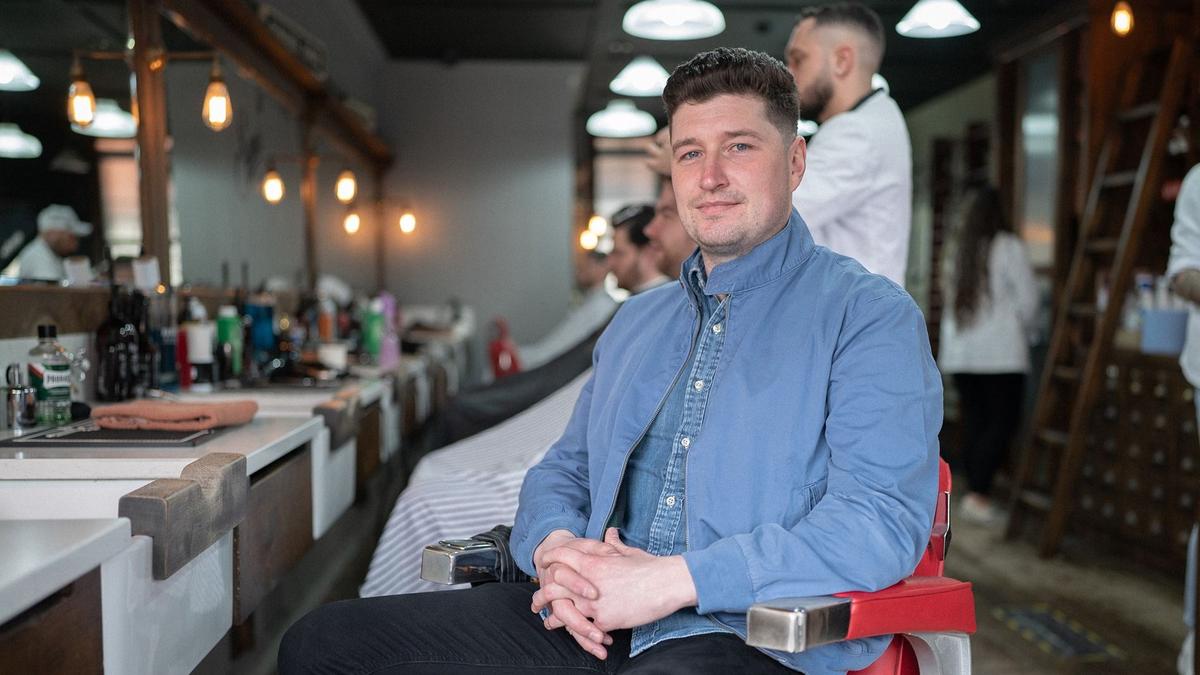
David Leon is a medical student from Santry in Dublin. He chatted to Movember about his mental health journey and the importance of finding the right therapist.
Throughout my teenage years and my twenties and even starting my thirties it was tough mentally. There were days and even weekends I wouldn't get out of bed. I didn't know why I was feeling the way I was feeling because I'm generally quite a positive and outgoing person.
One of the things it affected was my job. I was a psychiatric nurse at the time and did that for seven years. Every so often at the end of the day you would think "god that was really tough". It got to the point where I just wanted to avoid it all and I didn’t even want to go into work.
My mam's intervention
It eventually came to a head just before the pandemic. I spent about three or four days in bed watching Netflix feeling terrible and my Mam came in to me and said she was worried. She said "you have to get down to the GP".
The GP put me on medication straight away given what my history was. I know medication isn’t always the answer and isn’t usually the first option but it does help sometimes to give you a boost initially.
Finding my match
I also started to go to counselling. Initially I found it hard to talk to professionals because I felt like I was wasting the person's time. Another thing I found challenging was finding the right therapist for me. It can be hard but I always tell people to keep trying it out with different therapists. Don’t give up. It’s like speed dating, you have to find the person who’s the right fit for you. Once I found a counsellor that I really matched with, that was brilliant.
My ADHD Diagnosis
Another important point in my mental health journey was when I was diagnosed with ADHD three years ago, which I feel is connected to my depression. ADHD can be linked to depression, anxiety and not knowing how to handle your emotions.
I feel like if it was picked up earlier in my life, things might've been a bit easier for me. In school I was just seen as the 'bold child' and 'the messer'. Although things have gotten better now.
Supporting front line workers
I also think there could be more mental health support for medical staff. Some of the hours they do are outrageous and conditions can be poor so this definitely must add to poor mental health.
My support system
Having the support of family and friends through it all has been really important. If I’m having a bad day I tell my girlfriend how I’m feeling. She just takes it in her stride. My Mam is brilliant too, she would always ask me how are you and are you doing ok. My friends are great too so I’m really fortunate to have very supportive people around me.
If you can muster up the energy to reach out to someone who's close to you, mother, father, brother, sister, whoever and tell them how you’re feeling it’s the first step to getting better.
Don’t feel like you're burdening anybody. They'd rather see you happy and well and alive, rather than being miserable and potentially not alive. Alternatively speaking to your GP can be an important step forward.
Things do get better
If you’re feeling that there's no hope and It's never gonna get better, that's just not true. I was at that stage at one point when I thought this is never gonna get better. I'd wake up in the morning and think I hope I don't wake up tomorrow. Not that I was actively suicidal, but I definitely did wake up and think it would be better if I just didn't wake up. That hope does come back and things do get better. I guarantee it will because anyone who is in my position now will say exactly the same thing.


