Our programs
Mental Health Guidelines in Community Sport
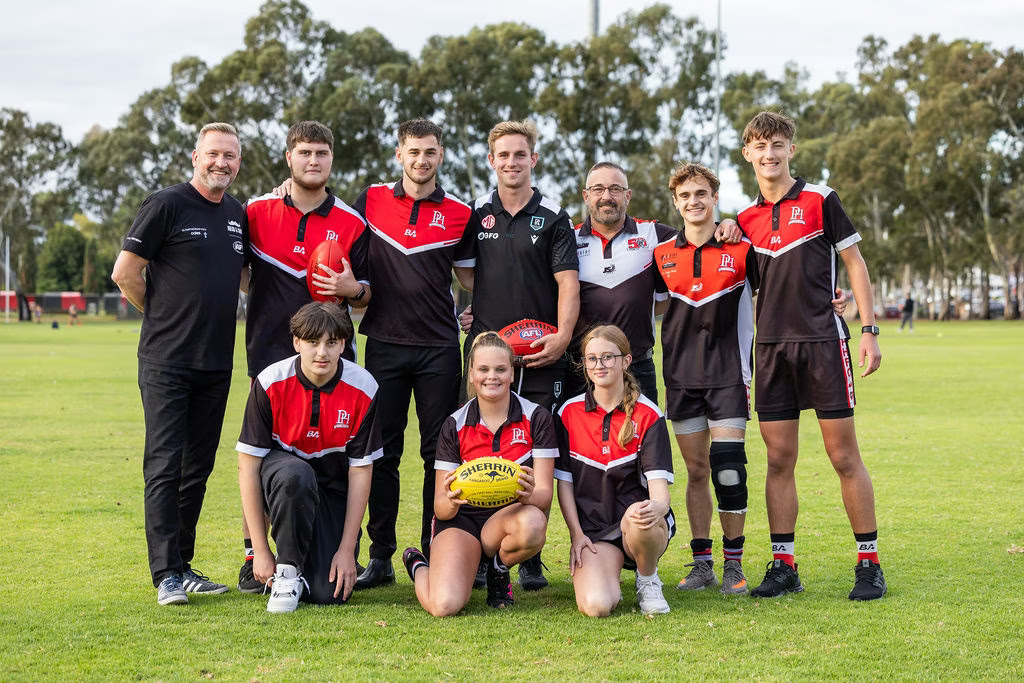
A world-first program bringing evidence-based mental health guidelines to community sport, making it easier for clubs and coaches to create environments where players, parents and volunteers can thrive. The program is being developed across four markets so far, each with locally relevant guidelines co-created with experts, athletes and sporting organisations, so that even the smallest volunteer-run club has what it needs to support the mental health of its community.
Who it’s for
CLUBS, COACHES & VOLUNTEERS
To build a club culture where mental health is talked about openly, and have practical tools to spot and respond to challenges among players, parents and each other.
SPORTING ASSOCIATIONS & GOVERNING BODIES
To embed mental health best practice across their sport at every level of the system, and ensure the guidelines reach the clubs and people who need them most.
YOUNG ATHLETES & PARENTS
To take part in sport in an environment that protects their psychological safety as much as their physical safety.
POLICYMAKERS & FUNDERS
To understand what evidence-based, community-level mental health support in sport looks like, and where investment can have the greatest impact.
GLOBAL IMPACT
Community sport is one of the most powerful settings for reaching young men, and one of the least resourced when it comes to mental health support.
Countries developing locally relevant guidelines
Mental health guidelines for community sport in Australia, with 4 more countries in development
Year the current program began
Lead researchers across three countries
In action
Movember has conducted a small-scale co-design phase with community sports organisations to shape the user experience, and are conducting a six-month pilot with Melbourne Victory community clubs across metro and rural areas of Victoria.
MIA is a Mental Health Intelligence Agent, developed by UNCAPT in partnership with the Brain and Mind Centre (University of Sydney). As part of the pilot, MIA will aim to reduce the administrative burden on volunteers and provide localised, responsive guidance. Findings from the pilot will inform a national rollout, and potentially global implementation.
| Lead partners | Melbourne Victory Football Club, UNCAPT, Brain and Mind Centre (University of Sydney), University of Wollongong |
|---|