Our programs
Masculinity Content Research
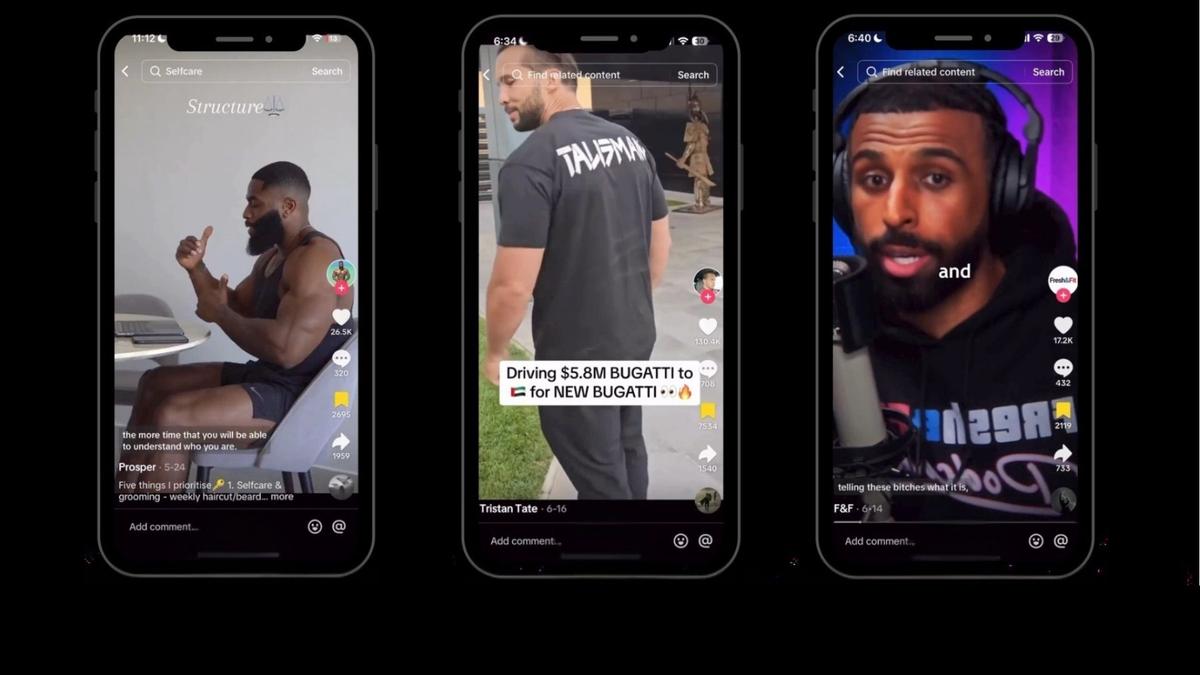
This multifaceted research program is investigating how online masculinity content is shaping the health, relationships and behaviours of young men, and explores what Movember is doing to respond. This work starts with understanding young men. It recognises that for many, this content resonates and fills unmet needs for certainty, belonging, guidance, connection, and identity; needs that healthier alternative digital spaces aren't yet filling.
Who it’s for
YOUNG MEN AND THOSE WHO CARE FOR THEM
To raise awareness of the potentially extreme and exploitative nature of this content across mainstream social media, and to make these digital spaces safer, more honest, and genuinely supportive of young men’s health.
POLICYMAKERS & GOVERNMENT
To understand the scale and impact of online masculinity content on young men's health, and why platforms must be held accountable for the content their algorithms promote.
CONTENT CREATORS & MEDIA PLATFORM PARTNERS
This research is informing the work of the Young Men’s Media Collective; A collaboration of content creators, media stakeholders and men’s health experts to develop alternative approaches to delivering content that young men are seeking to thrive.
Read more about the Young Men's Media CollectiveRESEARCHERS & PRACTITIONERS
To provide a large multi-country evidence base on young men's engagement with online masculinity content and its health impacts, which will help to inform further research and practice.
GLOBAL IMPACT
This research is generating insights that are reaching governments, social media platforms and creators and communities to allow a collective response to reduce the impact of harmful online masculinity content on young men's health.
Young men surveyed across the US, UK and Australia
Of young men aged 16-25 surveyed regularly consume masculinity influencer content.
of young men agreed that masculinity content provided advice and surety as they navigated challenges
Young men who consume masculinity influencer content are twice as likely to use performance-enhancing substance compared to non-consumers.