Grant’s testicular cancer story: Your health comes first
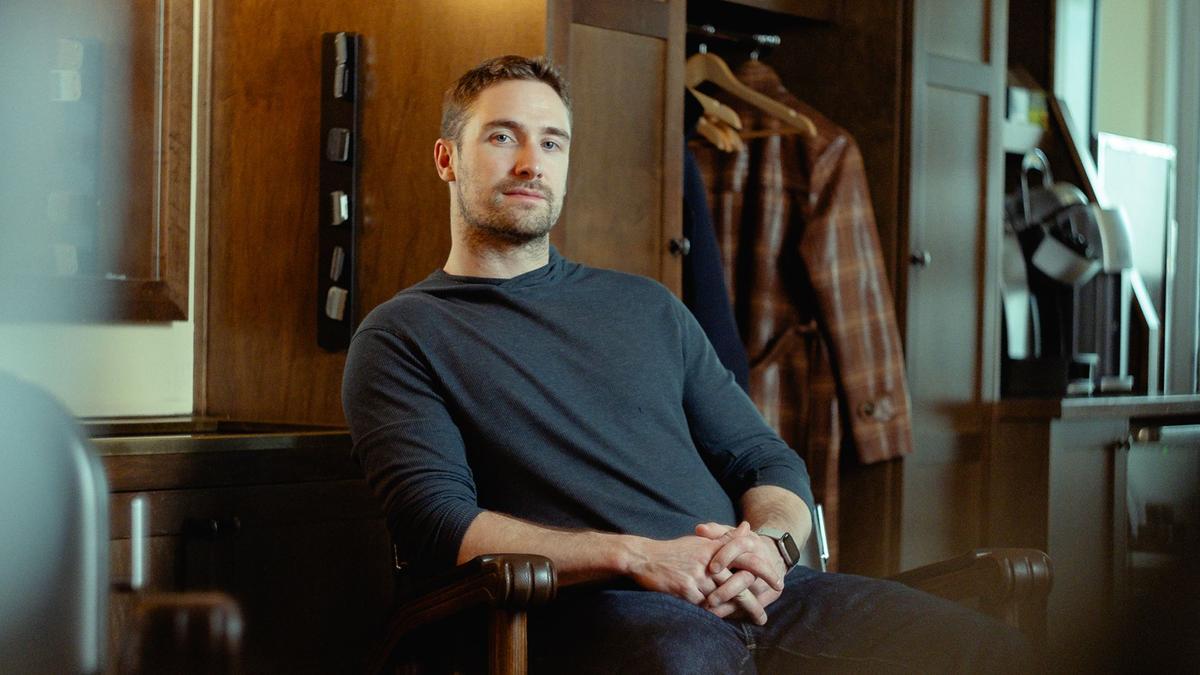
"Cancer can be totally random. I was the healthiest guy."
Grant's testicular cancer diagnosis came as a shock. Now, on the other side of it, Grant shares how the experience had an impact on how he views his health.
I've grown moustaches before with my friends, and raised a little bit of money here and there. Being involved with sports, Movember’s super relevant. Everyone's trying to raise awareness for mental health and men’s cancer. It's always been a part of my life since I could grow a moustache, but it wasn’t until my testicular cancer diagnosis that I got really involved.
Before my diagnosis, I didn't know that much about testicular cancer. I had one friend a while ago that had had it, but I hadn’t really discussed it with him. I didn't know that young men were at a high risk of getting it, so it was all new to me, and it was quite a shock when I received the news.
I used to play beach volleyball for Team Canada, so I was in Germany training, and noticed that my nipple was hurting. I thought maybe I had dove and scratched it on the sideline or something. But a week later, it still hurt, and some liquid came out. I knew that wasn’t right, but had to wait until I got home to Canada to figure out what was going on. It wasn’t impacting my play, so I didn’t think it was that big of a deal.
When I got back to Canada, the doctors weren’t entirely sure what it was, but they kept on it. Finally, one doctor suggested an ultrasound of my testicle. As soon as they pressed down, I felt so much pain. A couple of days later the doctor told me there were 3 nodules on one of my testicles and that it had to be removed. 3 weeks after that, I had surgery.
Being an athlete, it's always important to take care of your health. But in the athlete mind, your health is often more about, “Can I perform? If I can still perform, I'm totally fine.” So for me, going to the doctor was more about, “Oh, my knee's not feeling right. Let's fix that.”
Leading up to my diagnosis, going to the doctor for something that wasn't impacting my performance felt a little bit weird. But now, I’m much more conscious of getting things checked out and much more aware. If I need to see a doctor, sorry I can’t come into work, I can’t go to practice, because my health comes first. If I don’t protect myself by seeing the doctor, it could be the start of the end of something.
Going to the doctor gives you that clarity. You never want to be left worrying about your body, your health, asking yourself “What if I went earlier?”. Days are important when it comes to keeping up with your health. If you’re open with your doctor, they’re going to be able to help you. There’s no judgement from them, they’re just there to help you and make sure you’re healthy. The doctor was able to give me a clear picture of what was happening and set me up for next steps. That clarity in a terrifying moment was so important.
Knowing what’s normal is also so important, so that you have a baseline. If you deviate from that at all or if something feels off, you can go to the doctor. Cancer can be totally random. I was the healthiest guy, a high-performance athlete. But no matter how healthy you think you are, it’s important to check in with yourself, and check in with your body frequently. My message to other guys is to reach out to their buddies, other guys, other girls, and to go to the doctor if you’re not feeling right – whether it’s for your mental health or your physical health. Everyone’s going through something at some point, so let’s try to get through it a little bit quicker, together.


