Mo Bro Anthony Shares the Steps of his Testicular Cancer Journey
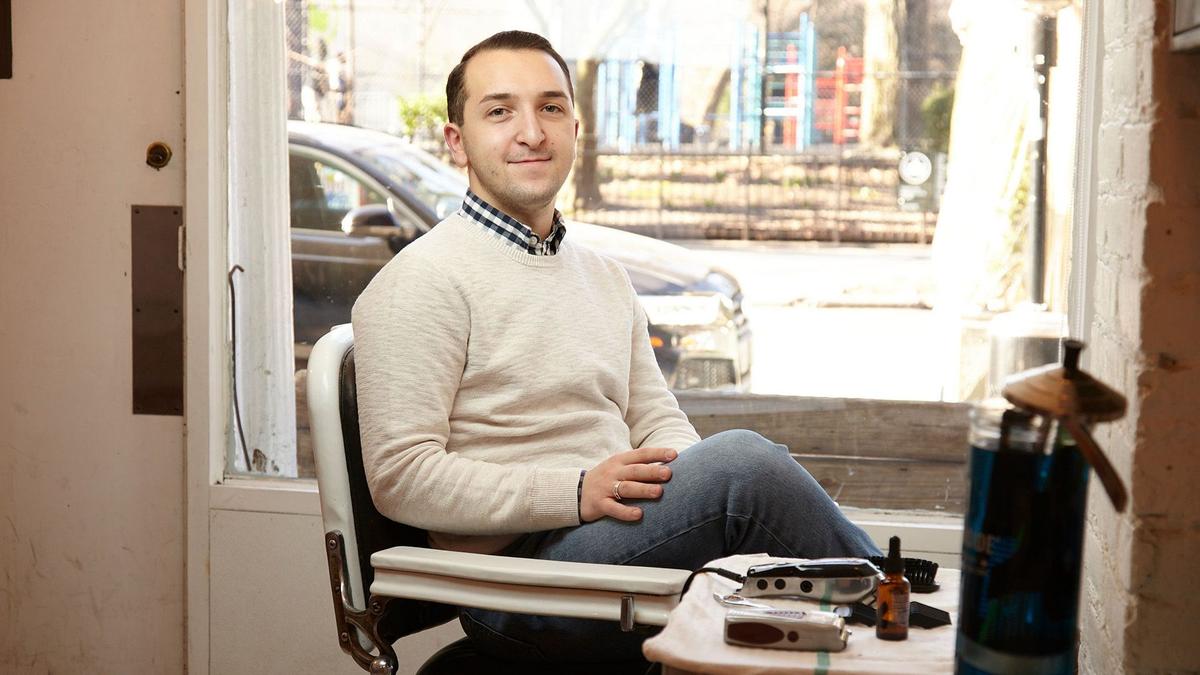
Anthony Mastrogiulio
Anthony’s testicular cancer diagnosis began in his senior college year after he found a lump in his testicle. Hear his treatment and recovery story.
It was my early February in spring semester, senior year of college, when I first noticed something was off. I felt a very small, hard, and painless lump in the shower. I didn’t want to fear over the “c” word, so I convinced myself it was nothing and let a week go by. It wasn't long before it became increasingly difficult to climb the stairs without feeling out of breath or having severe back pain, and that small lump had nearly tripled in size. I knew it was time to speak to a Urologist....Step 1.
I went into this, my first ever Urologist appointment, pretty uncomfortable about the idea of a testicular examination, yet fairly at ease with the thought that I would be told that what I had felt was just a hernia. My doctor looked up at me and said, “I am sorry...but I am 99% sure that you have a testicular tumor.”
On , I was diagnosed with testicular cancer. In that moment, my urologist informed me the success rate for this illness was very high; but that it was time to “put my helmet on and go to war.” The next 24 hours were filled with scans, imaging, and many uncomfortable phone calls. There really is no way to prepare for news like that, but you need to keep moving forward.
The following week, I had undergone an orchiectomy to remove the affected testis. The surgery was under 15 minutes and allowed me to go home that same day. Finally, I had a sense of relief that the nightmare was gone as quickly as it started. Unfortunately, further blood tests and CT scans showed that my original tumor had already spread to my lymph nodes and that an additional surgery was required....Step 2.
My doctor communicated that the next step would be an RPLND, an intensive surgery performed by highly-experienced professionals in an attempt to remove all affected lymph nodes between the pelvis and chest region. The true fear of mortality never set in more than this moment here-but, we must endure our path and continue the steps. After fivehours in the operating room, my doctor and his team manually removed 64 lymph nodes and completed a successful biopsy. Words cannot describe how grateful I am for all the efforts by my doctor, his team, and the entire staff at that facility. The recovery process was extremely intense; no eating or drinking for a week, walking was seemingly impossible, but the fellow patients and staff at the facility never failed to put a smile on my face.
The level of encouragement and positivity that filled the hallways was immeasurable. From the head doctors to the patients, it was clear that this battle is NEVER one fought alone. I had barely been standing up straight, let alone walking, and my college graduation ceremony was a week away. It was safe to say that I had no intention of attending. However, I shared a room with an amazing patient, who walked endless laps with me on that recovery floor to make sure I was ready to walk the stage for my college graduation. He always started his day with, “Let’s make today a good day,” so we did that. Everyday.
I got out of the hospital just two days before we walked across that stage at Radio City Music Hall for graduation. I say “we” because the entire journey was never fought alone. It’s the people who fight alongside you throughout the journey that hold you up by your shoulders and carry you across the finish line. I always remembered them as my cancer family....Step 3.
Riding what felt like my greatest high soon came crashing down. Three months later, my tumor markers and CT scan showed a small recurrence of an existing tumor in my pelvis region, determining four rounds of chemo was now needed. What I saw as the worst finally behind me, now presented itself again. This was really confusing emotionally because it felt like every time the worst was in the past, something bigger and darker came lurking around. Small picture, the symptoms were awful. Big picture, this was one more step. As my journey progressed, I remembered that the stairway of cancer is never walked alone.
There is always someone who has been on that step before you and there will always be someone to come after you. That is why it is important to reach back and help carry your cancer family along. Maybe even remind them to try and make everyday a good one. I am blessed for the experiences I have been given and am grateful for the opportunity to share them with the hope of helping someone else. With the help of Movember, and my Mo community, I can do just that.


