REPORTS & PUBLICATIONS
The report helping change prostate cancer care in Ireland
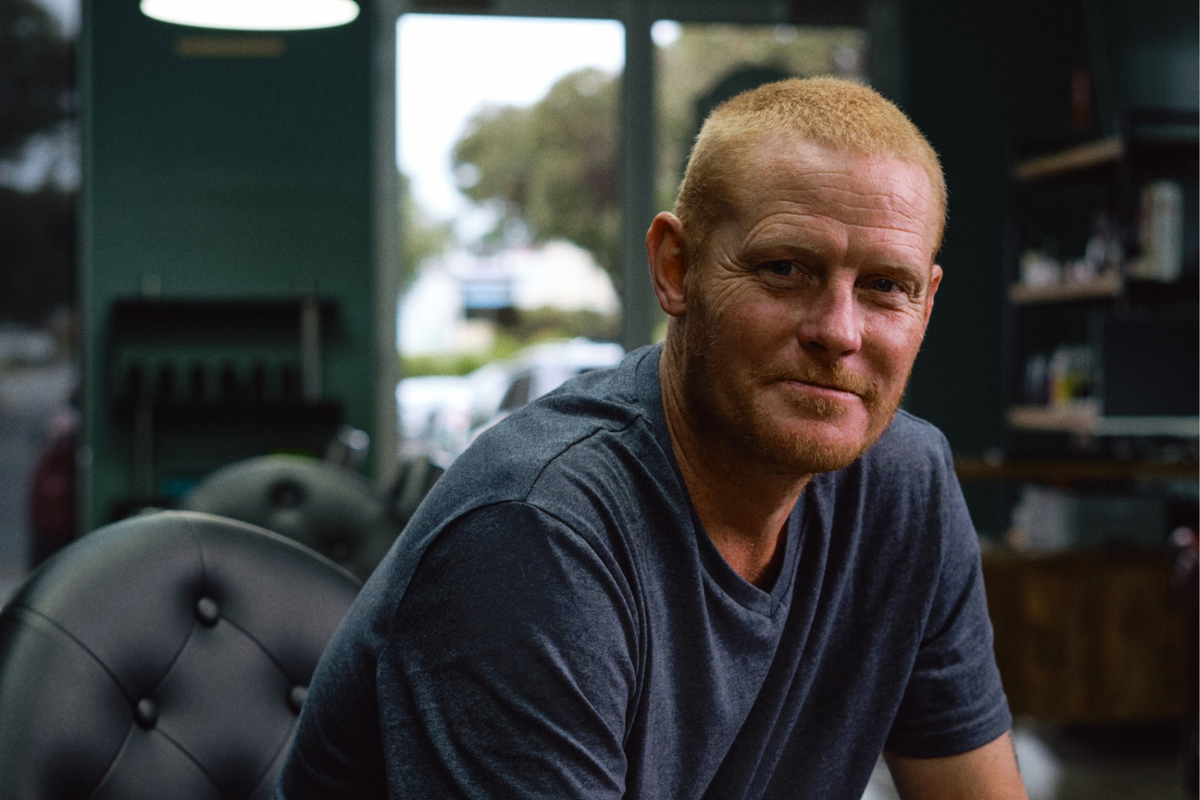
Men are sharing their own experiences, in their own words, to help shape better care for those who come after them.
1 in 6 men in Ireland will be diagnosed with prostate cancer. A new report, funded by you, shows what really happens next, and it’s already helping make care better.
1 in 6. That’s how many men in Ireland will be diagnosed with prostate cancer. Your dad, your brother, your friend from five-a-side.
For a long time, Ireland couldn’t answer some pretty basic questions about what happens to those men. How long do they wait to find out? Does it depend on where they’re treated? And how are they doing a few months after treatment, not just medically, but day to day?
Now we’re starting to find out.
Meet IPCOR
IPCOR (the Irish Prostate Cancer Outcomes Research registry) is run by University College Dublin and funded by Movember. Think of it as a health check for the health system.
When a man goes for a prostate biopsy at one of the hospitals taking part, he’s asked if he’d like to join, before he knows his result. If he says yes, IPCOR follows his whole journey: from the GP referral, through diagnosis and treatment, to life afterwards. It records more than 600 pieces of information about his care. And it asks him, in his own words, how he’s doing.
In the first 15 months, 603 men said yes. That makes IPCOR Ireland’s largest cancer-specific registry.
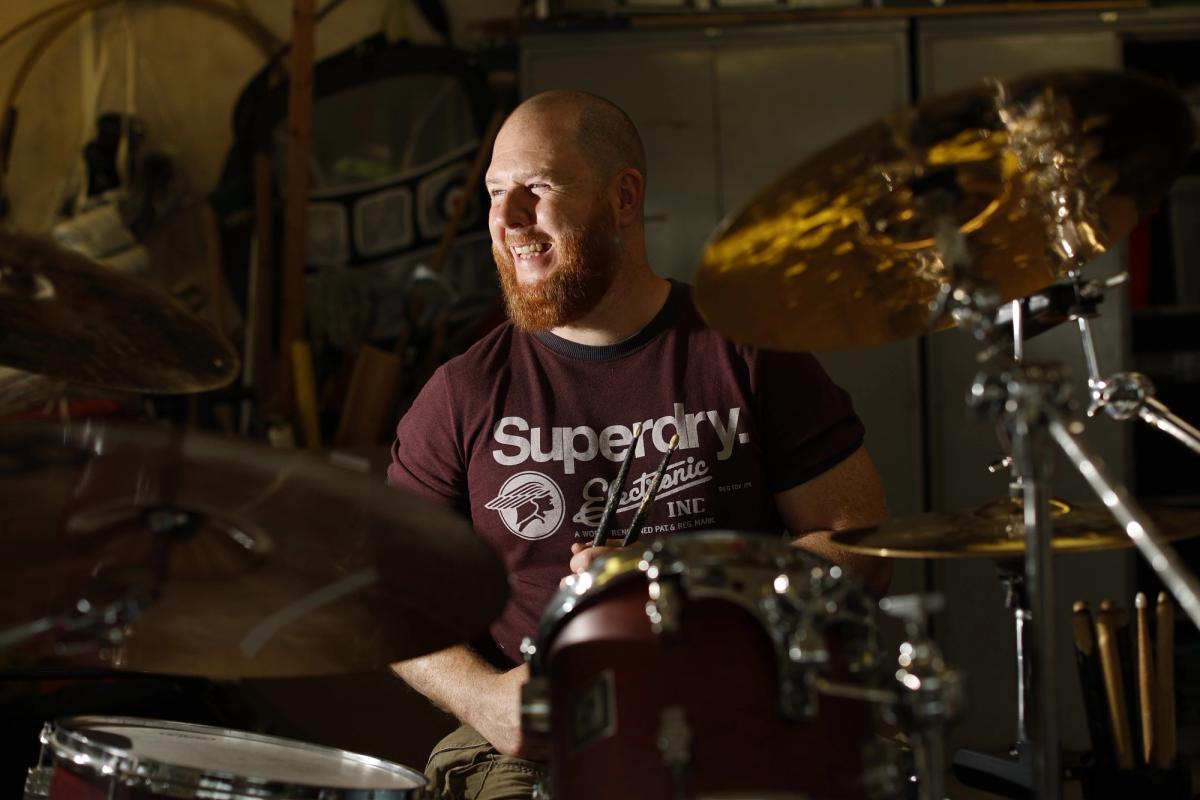
Talking openly about the impact of treatment is helping break the silence around prostate cancer recovery.
What the men told us
IPCOR has just published its first annual report. Here’s some of what it found.
The wait depends on where you go.
Men in the public system waited a median of 181 days from referral to biopsy. Privately, it was 57. That’s around four months’ difference. But there’s good news hidden in that number. Once men had their scan, doctors reviewed it quickly in both systems. The hold-up is mostly about getting an MRI and a biopsy appointment. That tells the health system exactly where extra capacity would make the biggest difference.
There are real signs of good care.
79% of men with low-risk cancer are on active surveillance, which means careful monitoring instead of treatment they may not need. Diagnosis is getting more accurate too: biopsy results now match what’s found at surgery 69% of the time, up from 57% a few years ago.
Treatment saves lives, but it can take a toll.
Three to six months after surgery, almost half of men (47%) were leaking urine every day, up from 13% before treatment. 88% said they had poor or no ability to have an erection, up from 34%. And nearly 1 in 4 (24%) said feeling down was a moderate or big issue, up from 5%.
Men need more support than they’re getting.
Only 14 of the 110 men who answered were using anything to help with sex. Their biggest unmet needs were around sex and mental health. And more than 1 in 4 felt some financial strain.
These are hard numbers to read. They’re also early results, and exactly the kind of thing routine health data never captures. You can’t fix what you can’t see. Now Ireland can see it.
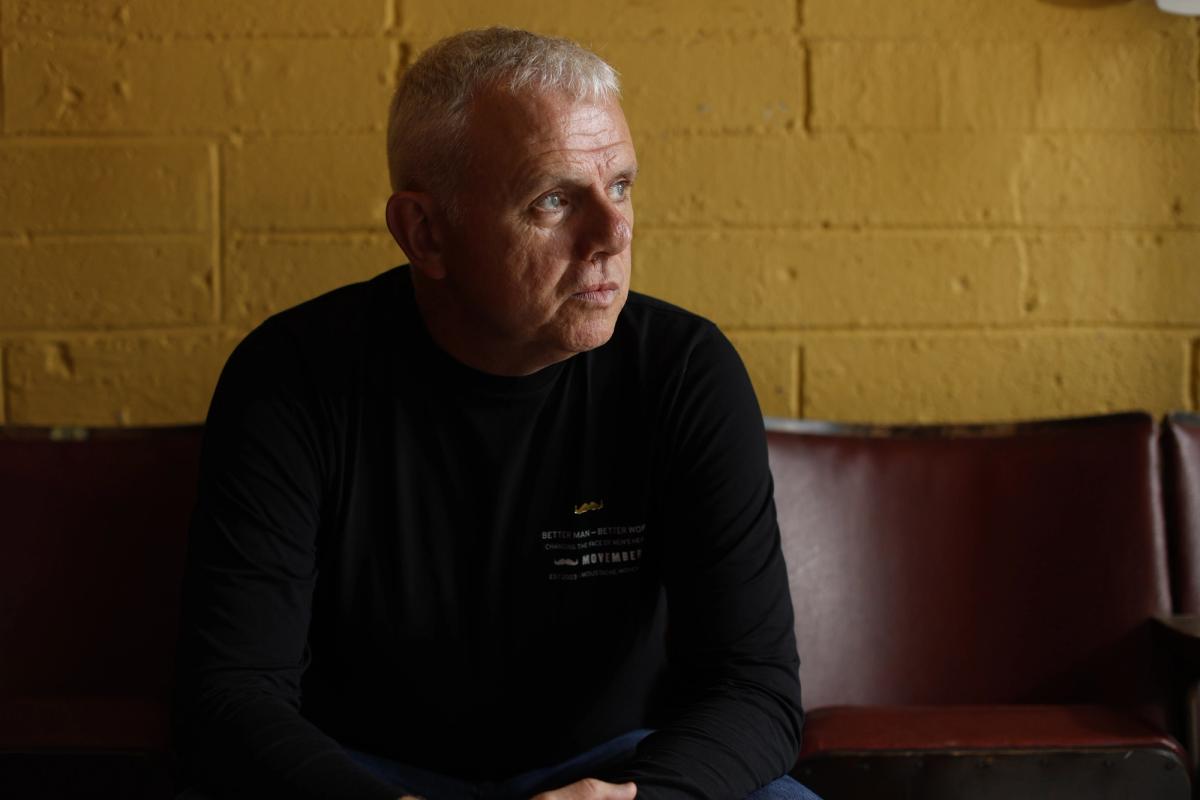
Evidence like this is already going back to doctors and nurses, helping improve care right now.
Here’s the hopeful bit
This isn’t a report that sits on a shelf. The evidence is already being used:
- Every six months, results go back to hospital teams, so doctors and nurses can see their own numbers and act on them
- Men who’ve had surgery are starting to get copies of their own answers, to talk through with the specialist nurses who look after them
- IPCOR is working with the National Cancer Control Programme to check how national guidelines are working in real life
- Researchers are using it to dig into money worries, how treatment decisions are made, and what partners need
Built with men, for men
IPCOR doesn’t just study men. Men help steer it. A group of ten men who’ve been through prostate cancer, the Lived Experience Advisory Panel, guide the work. Asking men about money worries and how involved they felt in decisions about their treatment? That was their idea.
Martin Sweeney, who chairs the panel, says they’re there “to make sure that the work of IPCOR is always relevant to patient experiences and needs.”
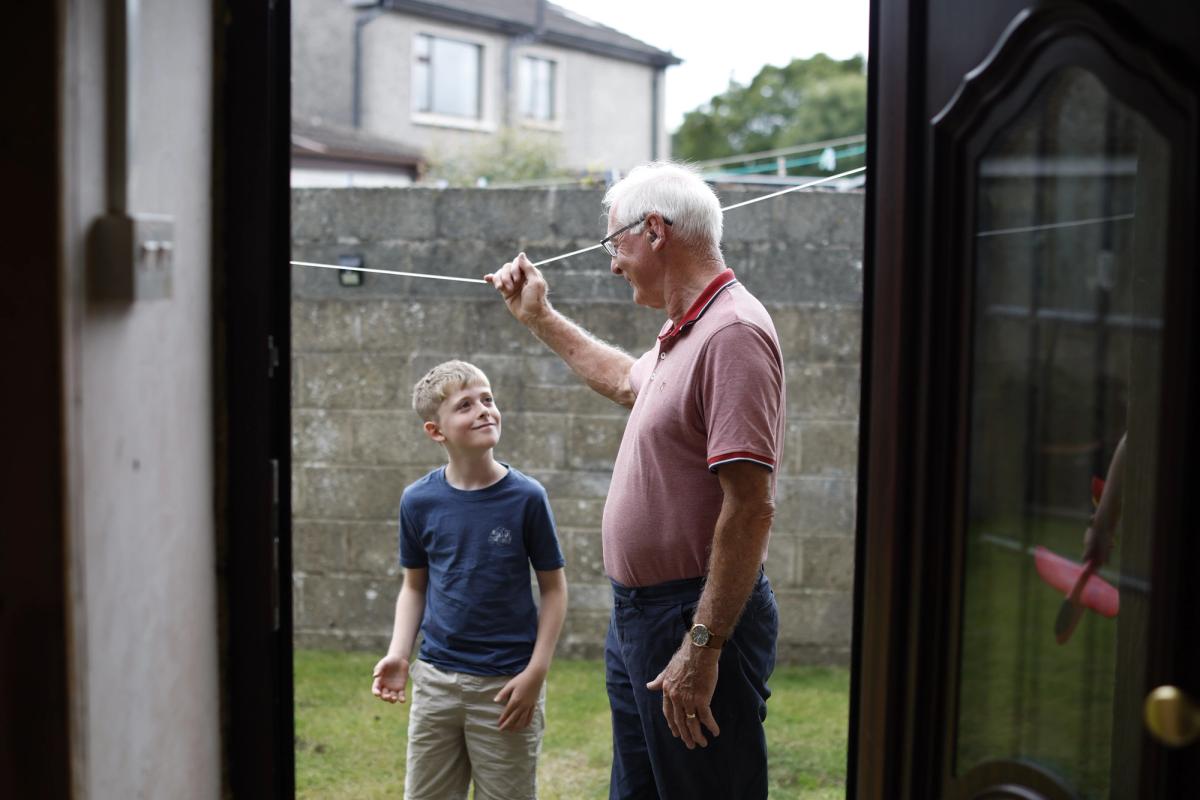
Men with lived experience of prostate cancer are helping guide the research that shapes their own care.
Where your money goes
Movember is IPCOR’s main funder, putting €2 million into the programme over three and a half years. That money comes from you: every Mo grown, every kilometre moved, every bake sale and every euro raised in Ireland.
It helps fund the people and systems behind the registry, from the research nurses who meet men on biopsy day, to the digital system that gets results back to doctors fast, to the team at UCD turning data into change.
And it’s only getting started. IPCOR will grow by around 1,000 men a year. The more men it follows, and the longer it follows them, the clearer the picture gets, and the better care can become.
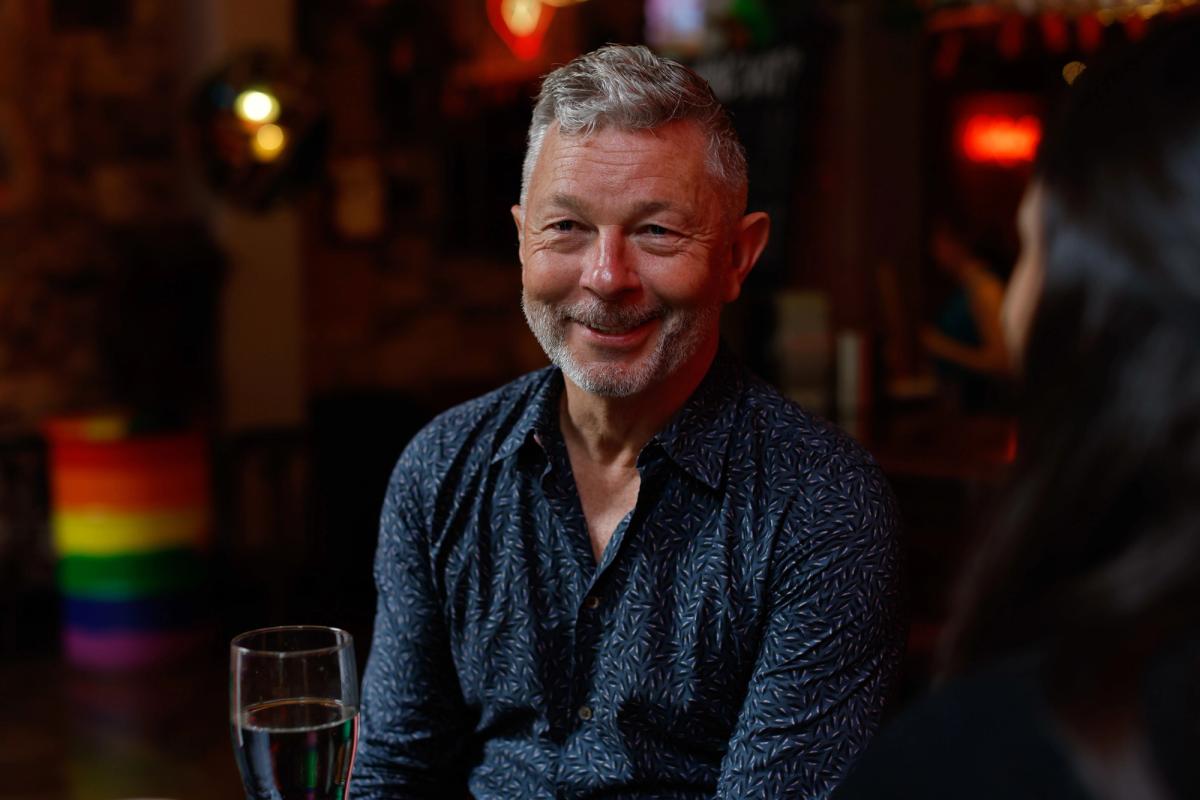
Every Mo grown and every euro raised is helping build a clearer picture of prostate cancer care in Ireland.
Thank you
To the 603 men who chose to take part at one of the most stressful moments of their lives: you’ve made things better for the men who come after you.
And to everyone who fundraises with Movember in Ireland: this is your Mo at work.
Read the full report →Worried about prostate cancer?
Get to know the facts and talk to your GP: movember.com/prostate-cancer
Living with prostate cancer?
True North has practical support for you and your partner, including a guide to sex after prostate cancer: truenorth.movember.com