What Canada told us about men’s health
Ensuring men's health sector voices are heard in Canada
Movember has been appointed as the independent convening partner to support the Government of Canada’s consultation process for a National Strategy for Men and Boys’ Health.
Movember has been appointed as the independent convening partner to support the Government of Canada’s consultation process for a National Strategy for Men and Boys’ Health. Public submissions are open until June 1.
Our role is simple: listen, convene, and relay. We are here to ensure the voices of Canada’s men’s health sector are heard clearly and faithfully.
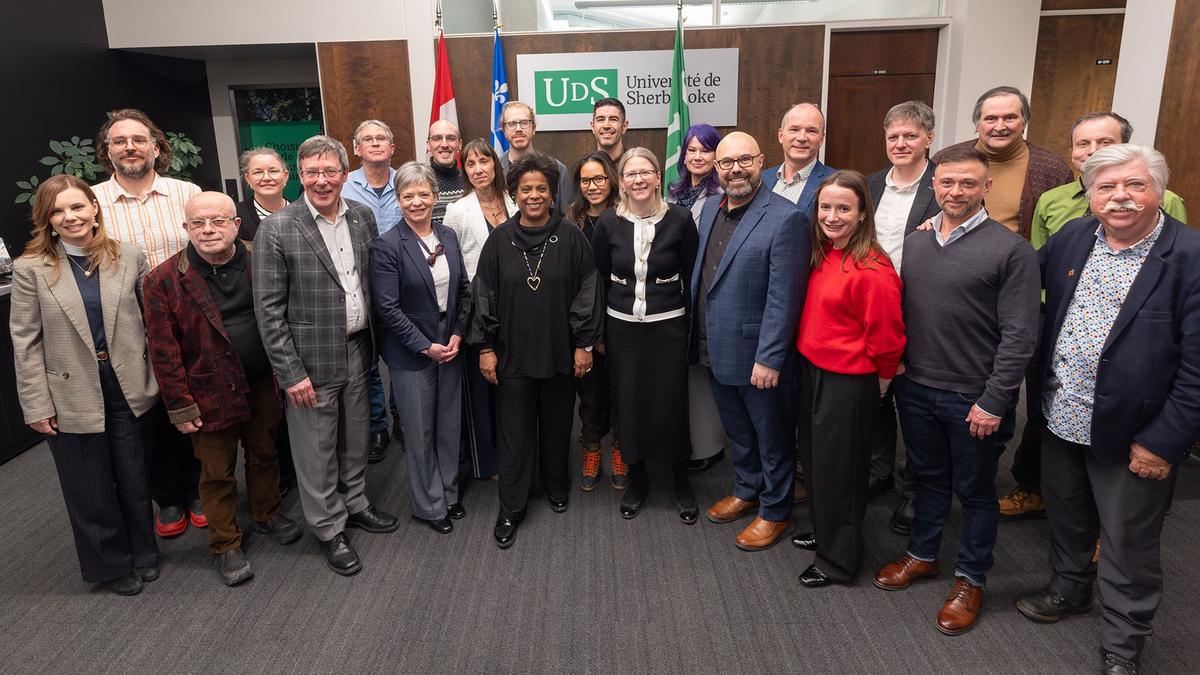
So far, we’ve brought together practitioners, researchers, community leaders, and people with lived experience in Sherbrooke, Vancouver, and Toronto. Across all three convenings, a clear picture is emerging.
Here’s what we heard
The system wasn’t built for men.
Men’s health outcomes are often framed as a question of behaviour. Stigma. Reluctance. Attitudes. But across every session, participants pushed back on that narrative.
The issue is not just how men engage with the system. It is how the system is designed.
As one participant put it, the system expects men to adapt to it, rather than the other way around.
Services are often fragmented, difficult to navigate, and disconnected from how men actually seek support. Many are left to figure it out on their own, often at the point of crisis.
At the same time, the system remains heavily oriented toward acute care. Prevention and early intervention, the things that could stop issues before they escalate, remain underfunded and underprioritized.
Where the gaps are most urgent
Across convenings, participants pointed to a consistent set of challenges: mental health, loneliness, addiction, and the growing impact of gambling and opioids, particularly in male-dominated industries.
These issues do not exist in isolation. They are deeply interconnected and often reinforce one another over time.
Participants also highlighted key life transitions, from adolescence to fatherhood to job loss, as critical windows where the right support can change long-term outcomes. Fatherhood, in particular, was seen as a powerful and underused entry point.
In Vancouver, there was a strong emphasis on the disproportionate impact on Indigenous and rural communities. Across sessions, participants also raised concerns about the role of online environments, digital harms, and emerging technologies in shaping young men’s mental health and identity.
What needs to change
The message from the sector was clear. Canada does not have a knowledge gap. It has an implementation gap.
Participants called for sustained investment in community-based and peer-led programs, better data and accountability, and a shift toward prevention.
They were equally clear on the role of the federal government. Not to deliver services directly, but to set direction, coordinate across systems, and scale what is already working.
Right now, too many effective programs remain small, short-term, and difficult to access.
There was also a strong call to change how we talk about men’s health. Move away from deficit-based narratives and toward language that reflects men’s strengths. As one participant put it, “Men aren’t the problem. We’re an asset.”
What’s next
In June, we will host our final convening in Churchill, Manitoba, with a focus on Indigenous and rural communities. We will then submit a full synthesis of what we’ve heard directly to government.
Movember will also contribute its own policy perspective, drawing on our experience working with governments globally to develop men’s health strategies.
Public submissions remain open until June 1. If you have a view on what this strategy should look like, now is the time to share it.
We would like to thank the incredible partners who have helped make these three convenings possible, in particular: François Poirier (Regroupement provincial en santé et bien-être des hommes), Audrey Brassard, l’Université de Sherbrooke, Dr. John Oliffe (UBC’s Men’s Health Research Program), Nina Gao, the University of British Columbia, the Movember Canada Team, and Enterprise Canada.