A conversation with the President of The Walnut Foundation on prostate cancer
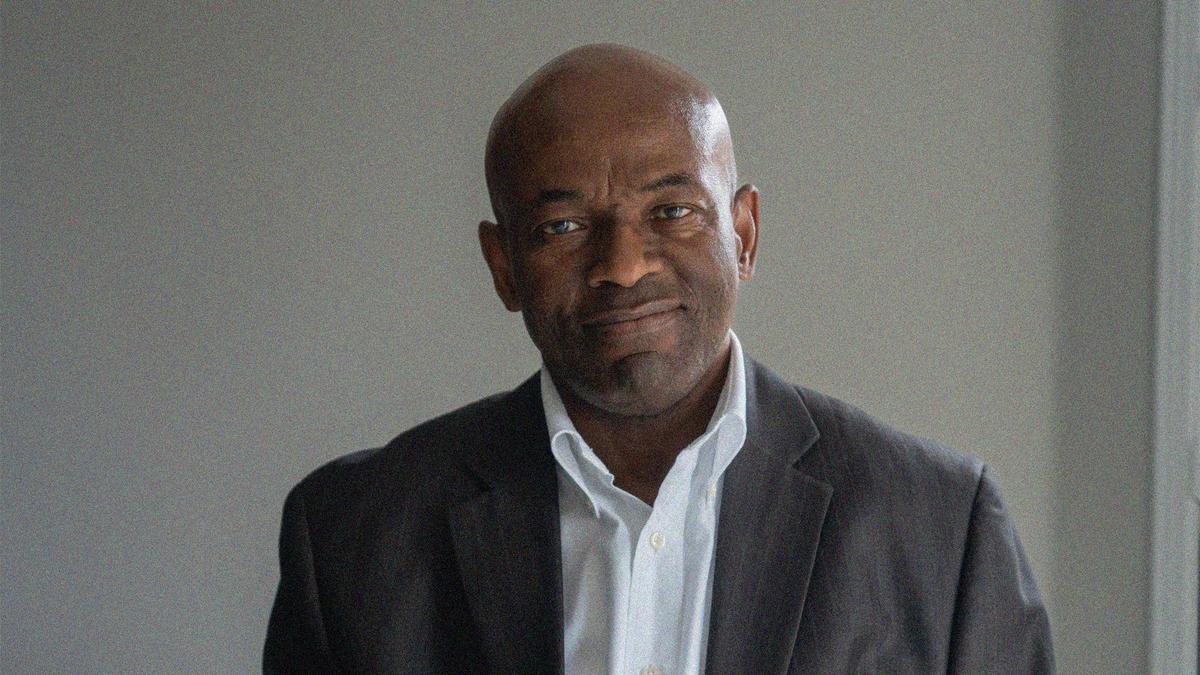
"Men should not be dying from this disease."
A conversation with the President of The Walnut Foundation on prostate cancer awareness in the Black community.
Knowing your personal risk with prostate cancer
I first became aware of my own personal risk with prostate cancer due to my family history. My father was diagnosed with stage 4 at the age of 64 – a huge shock for someone who was a compliant patient and who would have done the PSA test had it been requested.
Due to this experience, my brother and I became more vigilant and started screening at age 40. I was diagnosed in January 2015, at the age of 53, and my brother when he was 57.
A family history with prostate cancer
When I first heard the diagnosis, I felt like it had been in the cards, due to the family history with my father, brother, and an uncle, but I was surprised that it came so soon since the other family members were diagnosed at a later age than I was. A diagnosis like this makes you question your mortality, your accomplishments (or lack thereof) and what and whom are most important in your life.
I was lucky that I knew my family history, my lineage, and that I had an excellent care team that also knew my family history and encouraged early surveillance – they understood my personal history, as well as my racial background and the role ancestry plays in this disease. The conversations were frank, supportive and based on fact. It was also helpful that I had joined a men’s health interest and support group for Black men, The Walnut Foundation, 5 years prior to my diagnosis.
Prostate cancer not often discussed in the Black community
For the most part, men’s health issues were not discussed in my family. The conversations started due to the shock and grief around my dad’s passing. That was a game-changer for my family. It marked the end of secrecy around health issues for my family.
This secrecy is a huge problem in the Black community, when really, talking and sharing experiences is critical to improving outcomes. But with a lack of trust of the medical profession in the community, and little to no dollars being devoted to studying why this high incidence and death from prostate cancer in Black communities occurs, I can understand it. When my brothers and I from The Walnut Foundation go out and share our stories and get asked why there is no definitive answer, you can literally feel yourself losing the room as the chatter begins.
And the barriers are many. Provinces that continue not to fund PSA screening tests raise serious issues of health equity – cost should not be a deterrent to screening. Lack of access to Black physicians, specialists or researchers can also present a challenge for men, especially when we are talking about treatment options that impact issues relating to sexuality, incontinence, mental health, and relationships with your partner. Another challenge is the failure to keep race-based data. If race-based data isn’t kept, and we continue down this road of “We don’t see race!” then you end up practicing medical racism. Race-based data could inform better healthy policy.
My hope for future prostate cancer research
My hope for prostate cancer research in the next 20 years is that it will be more equitably distributed in terms of race and class, and will also be more personalized, so that we are treating the whole person and not just their disease. The narrative needs to shift to ensure better health outcomes. Men need to talk more and advocate for their health.
It is critical to have these community discussions, because prostate cancer is treatable. Men should not be dying from this disease. Men need to get that baseline PSA at the recommended age for their risk category and then monitor annually from there, even if they are in a province that does not cover the PSA blood test. Do not shirk from these conversations or doing the digital exam due to misplaced machismo. It could save your life.
Educating through The Walnut Foundation
At The Walnut Foundation, we’ve created a video education series in an attempt to put some resources into educating the community about their higher risk for prostate cancer. When men from our community are dying at double the rate of the broader community, it demands a call to action.
Anthony Henry is the President of The Walnut Foundation, a men’s health interest and prostate cancer support group working with the Black community in identifying the needs of Black men in the areas of health and related issues. They strive to provide a forum for discussion. To hear stories like Anthony’s and learn more about prostate cancer in the Black community, please visit their informative and supportive content hub.